
Webinar replay
Wealth, Wills & Trusts
A plain-English walkthrough of Florida wills, trusts, and probate, and the planning tools that may help your family reduce court involvement.
What this webinar covers
General information about how Florida wills, trusts, and estate planning tools work, and what they don’t do, so you can make more informed decisions for your family.
What wills and trusts really do, and don’t do, in Florida
Legal ways to help avoid probate and reduce court involvement
Common estate planning mistakes families make
How Florida’s unique laws affect your plan: homestead, Lady Bird deeds, powers of attorney, and health care directives
What “funding” a trust means, and how to start or update a plan
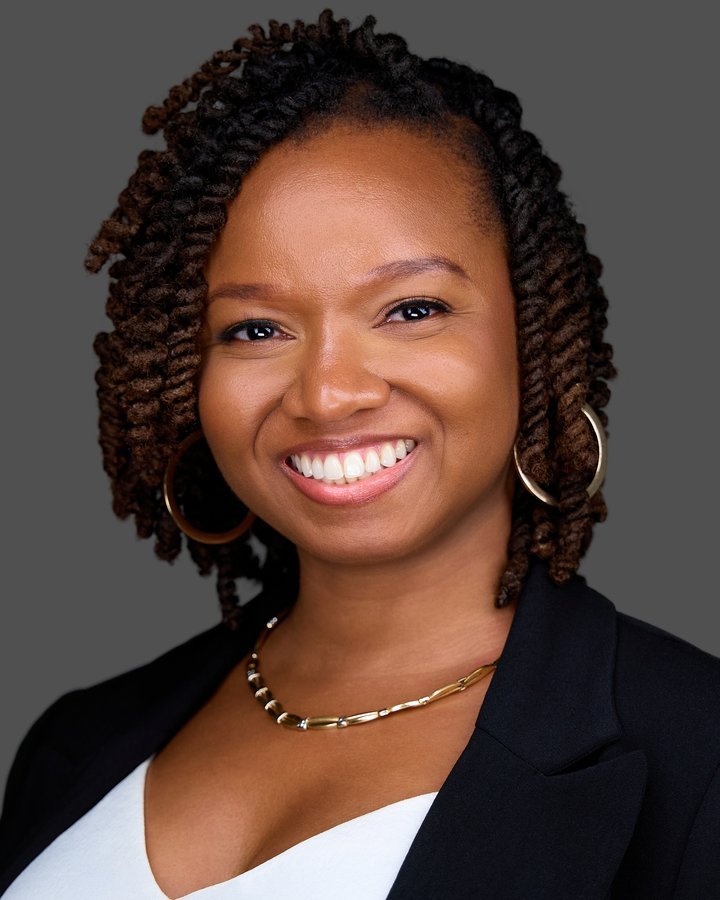
Your presenter
Alecia C. Daniel, Esq., LL.M.
Alecia C. Daniel is a trust, estate, and probate attorney with over 20 years of experience. She is licensed in New York, New Jersey, and Florida, with her practice focused on Florida. Genesis Law, PA is based in Port St. Lucie and works with families across Florida.
Ready for the next step?
Join us live for Q&A
The recording is a convenient way to review the material, but live sessions leave time for your questions about Florida wills, trusts, probate, or how to get started.
- TUEJan 12
- THUFeb 11
- TUEMar 9
All sessions in 2027 at 6:30 p.m. ET, online. Sessions cover Florida law for Florida residents.
Register for a live sessionBook a consultation
Ready to talk through your own situation? Meet with Genesis Law, PA virtually or in person.
The $125 consultation fee is credited towards the cost of service once the firm has been retained.
Book a consultationFrequently asked questions
Does a will avoid probate in Florida?
No. A last will and testament can state who inherits your assets, name a personal representative, and appoint guardians for minor children. It takes effect only after death. Assets that pass under a will generally go through Florida probate, and the original will must be filed with the court. A will also does not override beneficiary designations (such as on life insurance or retirement accounts), joint ownership or payable-on-death accounts, or assets titled in a trust. A will is an essential document, but it is often not enough on its own to avoid court delays or protect your family’s privacy.
What is a trust, and why do people use one?
A trust is a legal agreement in which a trustee holds and manages property for the benefit of one or more beneficiaries. The person who creates the trust is the grantor. When a trust is properly funded, it can help avoid probate, keep more of your affairs private, allow someone to manage assets if you become incapacitated, and provide more control over how and when assets are distributed. A revocable trust lets you stay in control and make changes during your lifetime. An irrevocable trust may offer greater asset protection and tax advantages, but it is less flexible. Florida has no state estate or inheritance tax. The federal estate tax exemption is about $15 million per person (indexed for inflation).
What does it mean to “fund” a trust?
Funding means retitling assets so the trust owns them, not you personally. Creating the trust is only the first step; you must transfer assets into it for the trust to work as intended. Common assets include real estate, bank and investment accounts, business interests, and, in some cases, life insurance (often by naming the trust as beneficiary). If assets are left unfunded, the trust will not control them, and those assets may still go through probate. Retirement accounts such as IRAs and 401(k)s usually should not be retitled into a trust, because that can trigger income tax. Those accounts are typically coordinated through beneficiary designations instead.
What does Florida probate involve?
Florida has more than one probate process. Summary administration is a shorter process if the Florida probate estate, minus exempt property, is $150,000 or less, or if the death was more than two years ago. Formal administration is the more complete process: the court appoints a personal representative to gather assets, pay valid debts and expenses, and distribute what is left. After notice to creditors is first published, creditors generally have three months to file claims. Formal administration often takes several months to a year or more, depending on the estate and any disputes. Florida law also sets presumed-reasonable attorney fees and personal representative compensation based on the estate’s value.
What is a Lady Bird deed?
A Lady Bird deed (also called an enhanced life estate deed) can allow your home to pass automatically to a named beneficiary at death. You generally keep full control during life, including the ability to sell or refinance, and it can help avoid probate of the home. This tool is available in only a few states, including Florida. If you are married, your spouse’s homestead rights generally cannot be bypassed unless your spouse also signs the deed. Florida homestead rules also limit who can inherit your primary residence if you leave a spouse or a minor child, so it is important to plan ahead.
What is included in a typical Florida estate plan?
A complete plan is usually more than one document. It can include a will, one or more trusts, a durable power of attorney to manage finances if you cannot, health care directives (such as a health care surrogate designation, a living will, and a HIPAA authorization), and beneficiary designations that are coordinated with your legal documents. Florida has specific signing rules. For example, a will must be in writing and signed in the presence of two witnesses, who must also sign in the presence of you and each other. Health care documents generally require two adult witnesses, and at least one may not be your spouse or a blood relative.
What are some common estate planning mistakes?
Common issues include assuming a will avoids probate; using outdated or do-it-yourself documents that miss Florida requirements; having no plan for incapacity, which can leave loved ones needing court approval to manage care or finances; naming the wrong personal representative, trustee, or guardian; and putting the work off. Beneficiary forms that do not match the rest of the plan can also cause problems. Reviewing your current documents and decision-makers is a useful first step.
Genesis Law, PA
1860 SW Fountainview Blvd, Suite 100, Port St. Lucie, FL 34986
Disclaimer: This page and the webinar recording are for general informational purposes only and are not legal advice. Watching the recording, registering for a webinar, or contacting Genesis Law, PA does not create an attorney-client relationship. Every situation is different, and Florida law can change; please consult a licensed Florida attorney about your specific circumstances. The hiring of a lawyer is an important decision that should not be based solely upon advertisements.